
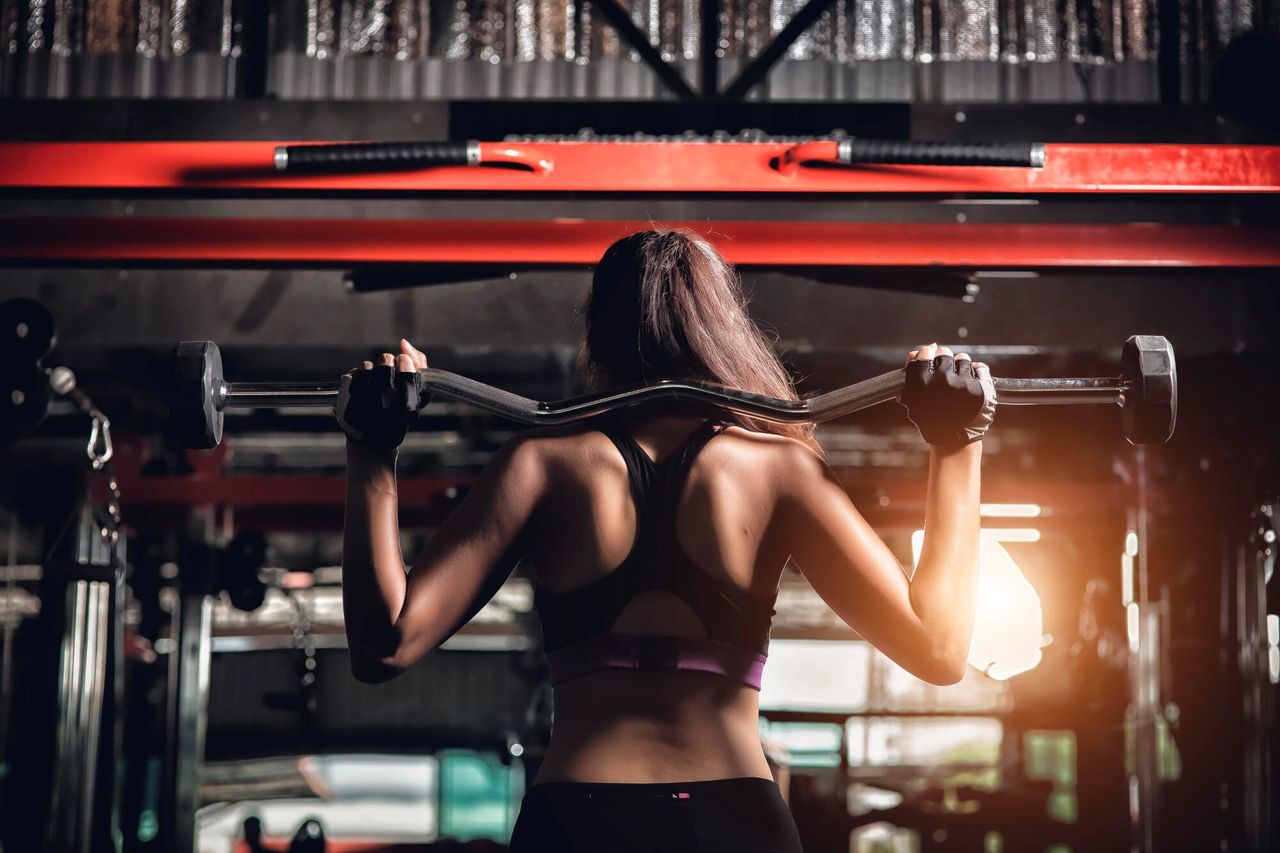
“Do you even lift, bro?” This phrase has become a meme and is well-known on the web, but it’s more than just a funny thing to say.
Weight lifting, often associated with building strength and muscle mass, is an essential component of a balanced fitness routine. While cardio exercises like running and cycling are traditionally viewed as the go-to for burning calories, weight lifting can also help you burn a significant number of calories and contribute to fat loss.
Many people wonder, how many calories does weight lifting burn? The answer depends on several factors.
In this article, we will explore how weight lifting contributes to caloric burn, how to estimate the calories burned during different lifting sessions, and the additional benefits of weight training beyond just calorie expenditure.
Factors That Affect Calories Burned During Weight Lifting
The number of calories burned during a weightlifting session varies greatly based on several factors. Some of these factors are:
- Your weight
- Intensity of the workout
- Rest periods
- Duration
- Body composition
Let’s see all of these in further detail below.
a. Body Weight
Larger individuals typically burn more calories than smaller individuals during weight lifting. More energy is required to move a greater mass.
For example, a 200-pound person will burn more calories during the same workout than a 150-pound person simply because their body demands more energy to perform the same movements.
b. Intensity of the Workout
The intensity of your weightlifting session plays a significant role in how many calories you burn. Performing compound movements like squats, deadlifts, and bench presses that engage multiple muscle groups will burn more calories than isolation exercises like bicep curls or tricep extensions.
Additionally, lifting heavier weights with fewer reps can burn more calories than lifting lighter weights with more reps because your body is working harder to move the weight.
c. Rest Periods
The length of your rest periods between sets affects your heart rate and caloric expenditure. Shorter rest periods (around 30-60 seconds) will keep your heart rate elevated, leading to more calories burned.
Conversely, longer rest periods (2-3 minutes) allow your heart rate to drop. This reduces the overall intensity and calorie burn of the workout.
d. Duration of the Workout
Naturally, the longer your weightlifting session, the more calories you will burn. A 30-minute workout burns fewer calories than a 60-minute workout, assuming the intensity and movements are similar.
e. Muscle Mass
Muscle is more metabolically active than fat, meaning that individuals with a higher percentage of muscle mass will burn more calories, even at rest. This is why consistent weight training can help increase your resting metabolic rate (RMR).
It allows you to burn more calories throughout the day, even when you’re not actively working out.
Estimating Calories Burned During Weight Lifting
Estimating the exact number of calories burned during a weightlifting session can be challenging due to the many variables at play, such as workout intensity, the type of lifts, and individual metabolic factors. However, on average, a person burns the following calories during a typical weightlifting session:
- A 150-pound person burns roughly 180-250 calories per hour of moderate-intensity weight lifting
- A 200-pound person can burn approximately 240-320 calories per hour
- For vigorous weight lifting, the numbers increase
- 150-pound person burning around 300-400 calories per hour
- 200-pound person burning up to 500 calories per hour
These numbers are estimates and can vary significantly based on the factors discussed earlier, such as workout intensity, duration, and rest periods. Using a fitness tracker or heart rate monitor during your workouts can give you a more accurate estimate of how many calories you burn during a specific session.
The Afterburn Effect: Burning Calories After the Workout
After a weightlifting session, your body continues to burn calories as it works to repair and rebuild muscle tissue. The energy expended in this process can increase your overall calorie burn by 5-10% for hours or even up to 24 hours after your workout, depending on the intensity and duration of your lifting session.
The more intense the workout and the more muscle groups involved, the greater the afterburn effect will be. For example, heavy compound lifts like deadlifts, squats, and presses typically create a more significant afterburn effect than isolation exercises like leg curls or bicep curls.
Additional Benefits of Weightlifting Beyond Caloric Burn
While burning calories is a key aspect of weight lifting for many people, the benefits of weight training, especially with a personal trainer, extend far beyond just caloric expenditure. Some of the additional advantages include the following.
Increased Muscle Mass and Strength
As you gain muscle, your resting metabolic rate increases, allowing you to burn more calories throughout the day, even when you’re not exercising. This helps with long-term fat loss and overall fitness.
Improved Bone Density
Weightlifting at a 24-hour gym is a weight-bearing exercise, which helps improve bone density. This is especially important as we age, as stronger bones reduce the risk of fractures and osteoporosis.
Enhanced Metabolic Health
The prevalence of diabetes is on the rise in young people. But lifting weights can help. This is because lifting weights improves insulin sensitivity and can help regulate blood sugar levels.
This reduces the risk of developing type 2 diabetes. Weight training also improves heart health by lowering blood pressure and cholesterol levels.
Mental Health Benefits
Weight lifting isn’t just good for your body; it’s beneficial for your mind as well. Regular strength training can reduce anxiety, depression, and stress, thanks to the release of endorphins during and after your workout. It also promotes better sleep and increased self-esteem.
How Many Calories Does Weight Lifting Burn?
Just get started with weightlifting and you will see your body change, strengthen, and blossom. It’s the best exercise out there, especially as you get older and start losing muscle mass.
Don’t worry too much about the question, “How many calories does weight lifting burn?” Just start lifting, guys and gals.
Power in Motion is one of the leading gyms in Columbus. We will help push you to your limits and teach you all about weightlifting, even if you are a beginner at it. Schedule a tour to see our facility.

